




Optimize your strategy for the fantasy football playoffs with expert tips on roster management, matchups, waivers, and how to win when it matters most.
Savvy fantasy managers know that every more carries more weight in the fantasy football playoffs. The regular season is all about using fantasy football rankings to make percentage decisions. This works like a champ because those percentages have a chance to balance out in your favor over a 14-game schedule.
The fantasy postseason necessitates a shift from long-term planning to short-term, win-now decisions. Since there are no more weak teams on the fantasy schedule, fantasy managers must use features like an NFL start-sit tool to stock their starting lineups with high upside plays.
Optimize Your Fantasy Football Playoff Lineup for Ceiling, Not Floor
It's always a good idea to use an NFL lineup optimizer when putting together your starting lineup. This tool is often used to identify high-percentage players, but it can also be used to identify potential upside players, who can generate huge scores.
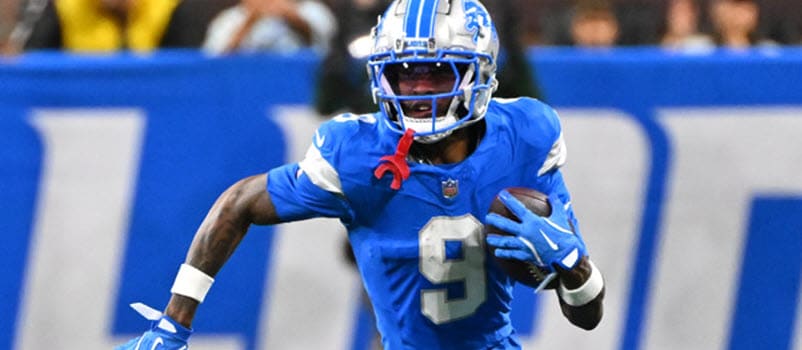
These upside plays are often boom-or-bust players who are risky when placed in fantasy regular season lineups, but can be justified in playoff lineups. A good example here is Detroit Lions wide receiver Jameson Williams. There wasn't a more volatile fantasy player through most of the 2025 season, but when Williams hit his mark, a fantasy win was usually sure to follow. That's the definition of a boom-or-bust player you want in fantasy playoff lineups.
You also want to strongly consider using custom fantasy football rankings to identify "safe" veteran players. These are terrific insurance policy plays during the regular season, but in most cases, they need to be assigned to bench duty during the playoffs.
Rethink Roster Construction for the Fantasy Football Playoffs
The fantasy playoffs are also a time to adjust your roster construction methods. One of the first things you should consider is dropping bench stashes that no longer matter. These players have their role in the regular season, but their role is free agency during the fantasy playoffs.


In many leagues, you should also carry extra RB/WR depth instead of backup quarterbacks and tight ends. This is critical because you want to be prepared if/when the NFL injury report impacts your RB/WR bench. This is especially true in 8- and 10-team leagues where QB and TE depth are much easier to come by.
It's always a good idea to handcuff elite RBs. That goes double during the playoffs. If you are fortunate enough to win a playoff game despite having an injured running back, you want to be insulated from whatever the day's NFL news tells you about your elite starter. Having the backup already in place can keep the scoring ceiling high enough to allow your team to still contend for that fantasy championship.
Weekly Schedule Matters More Than Season-Long Stats
Most fantasy managers who win titles will tell you that they pay a lot of attention to the Weeks 15-17 schedule that make up the fantasy playoffs. Getting ahead of the curve here is paramount for postseason success.
Reviewing these playoff weeks is much like perusing a fantasy football cheat sheet during fantasy draft season. You want to use defensive matchup tools to identify vulnerable opponents. Your emphasis should be on recent performance. You want to know how a team is playing now, not how they were playing in Week 1.
A great example of this occurred late in Week 16 of the 2021 season. The Ravens' secondary was incredibly banged up headed into a matchup against the Bengals. Everyone knew to start Joe Burrow, Ja'Marr Chase and Tee Higgins. Savvy fantasy managers knew third receiver Tyler Boyd also belonged on that list. Boyd racked up 17.5 PPR points in that contest and thus was an impact player for those fantasy managers who knew how to look for favorable playoff matchups.
Waiver Wire Strategy: Aggressive, Not Conservative
The fantasy playoffs are not a time for a patient approach when it comes to waiver wire strategy. You should have a win-now mindset, even if it means limiting options for the next week. That means if there is an impact player available on waivers in a FAAB league, you should strongly consider spending all of your remaining FAAB to acquire that play. Remember, it's win today, then worry about tomorrow.
Not every waiver pick will be at the impact level. When looking at other waiver alternatives, be mindful of acquiring short-term upgrades. These upgrades may only add a few points to your bottom line, but in the playoffs that can mean the difference between moving on or going home.
Don't neglect defenses and kickers during the postseason. In fact, you should look at these positions as potentially giving you a championship edge. Identify a list of the best streaming candidates to target each week and update that list every week your team is in the playoffs.
Common Playoffs Mistakes By Fantasy Managers
The general rule in fantasy football is that you never bench your star players. That's almost always true but, as we've shown is the case with many other regular-season rules, you may need to break this one during the fantasy playoffs. If you have a stud player with a really bad matchup and a player close to his value with a really favorable matchup, it may be time to bench that stud player.
Another common mistake fantasy managers make in the playoffs is playing too conservatively when your team is projected to lose. Projections are only guidelines, but if a projection says you are on pace to lose this matchup, it's time to be more aggressive when picking your starting lineup.
You can often get away with the mistakes of not checking injury reports during the regular season. Don't make that gaffe during the playoffs. The postseason margin for error is much lower. That means a single goose egg or diminished production pace can cost a shot at the championship.
Adapt or Lose in the Fantasy Football Playoffs
The main thing to remember here is that you need to utilize a different mindset to survive and advance in the fantasy playoffs. You can't just go with an auto-pilot approach that served your team well during the regular season.
You should instead fully embrace using proactive, matchup-focused, high-upside thinking when putting together your starting roster and your bench. Don't forget to subscribe to RotoWire for all the tools you'll need to carry you through the playoffs.
Do this and you will greatly increase your odds of winning a fantasy championship. Don't do it and you may end up hearing one of your fellow managers brag about a title that you could have won.