





2026 World Cup Groups: Full Group-by-Group Preview, Analysis, Early Projections and Dark Horse Predictions
The 2026 FIFA World Cup groups are set, and fans can analyze all 12 groups ahead of the expanded 48-team tournament. This complete World Cup 2026 group-by-group preview and projections breakdown examines every team, every matchup, tactical identities, key storylines, early knockout-stage projections, and emerging World Cup dark horses across Groups A through L.
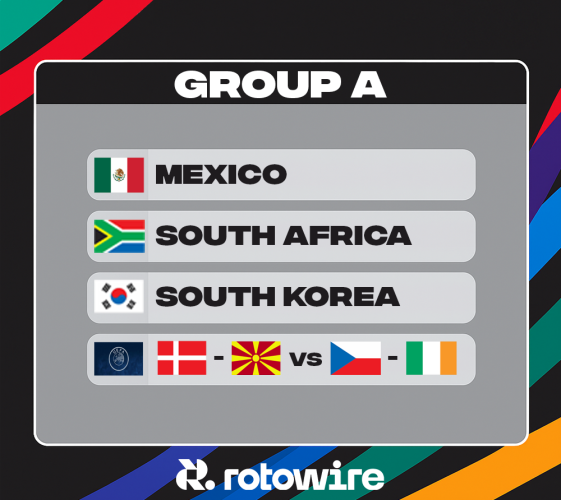
Group A: Mexico, South Korea, South Africa, UEFA Playoff D Winner
Mexico Face Early World Cup 2026 Pressure at Home
Teams: Mexico, South Korea, South Africa, UEFA Playoff D Winner
For Mexico, opening a home World Cup 2026 is an emotional accelerator and a psychological threat in equal measure. Altitude, crowds and tradition promise energy, but expectation compresses margins. Mexico's World Cup 2026 group projections hinge on whether they can dominate territory early, build emotional momentum and overwhelm with tempo. What complicates these projections is that none of their opponents in this group profile as passive underdogs.
South Korea arrive as professional disruptors and potential World Cup dark horse candidates. Their pressing structure is among the most synchronized in international football, forcing chaotic buildup and rushed circulation. They don't require dominance to control a World Cup match, the require mistakes. South Africa, meanwhile, project as a volatile group-stage spoiler, thriving in open sequences and attacking space immediately after ball recovery.
The wild card is the UEFA playoff D winner. Whether it's Denmark's structure, Czech Republic's technical balance, Republic of Ireland's resilience or North Macedonia's belief, each option carries dark horse implications. Mexico and South Korea both know that a savvy European side could dramatically reshape Group A projections.
Projected Qualifiers: Mexico, South Korea
Dark Horse: UEFA Playoff D Winner
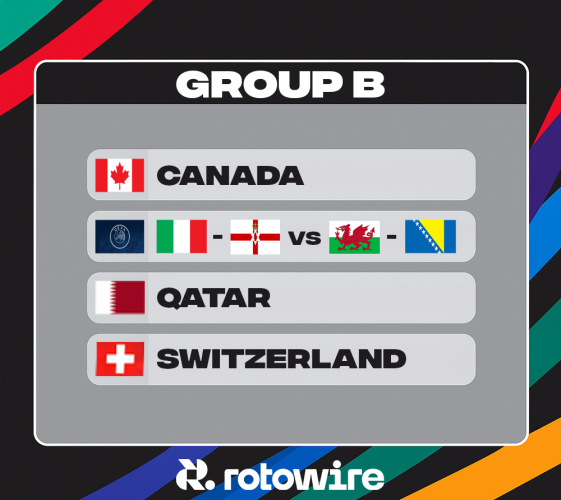
Group B: Canada, Switzerland, Qatar, UEFA Playoff A Winner
Canada's World Cup 2026 Test Arrives Immediately
Teams: Canada, Switzerland, Qatar, UEFA Playoff A Winner
Canada stand at the most important psychological checkpoint in their World Cup history. As hosts, they're no longer judged on promise but on results. Their World Cup 2026 projections depend on whether athletic superiority and wide-channel speed translate into controlled tournament football. This group-stage environment rewards patience, not adrenaline.
Switzerland represent structural resistance in this FIFA World Cup group and often emerge in dark horse World Cup conversations due to their knockout reliability. Qatar, hardened by the experience of hosting the previous tournament, arrive with emotional immunity and advanced game management.
The UEFA playoff A winner looms over all group projections. If Italy qualify, the narrative shifts to elite tournament control versus Canadian tempo. If Wales, Bosnia or Northern Ireland emerge, this group becomes defined by aerial duels, set pieces and physical attrition rather than flair.
Projected Qualifiers: Switzerland, Canada
Dark Horse: UEFA Playoff A Winner
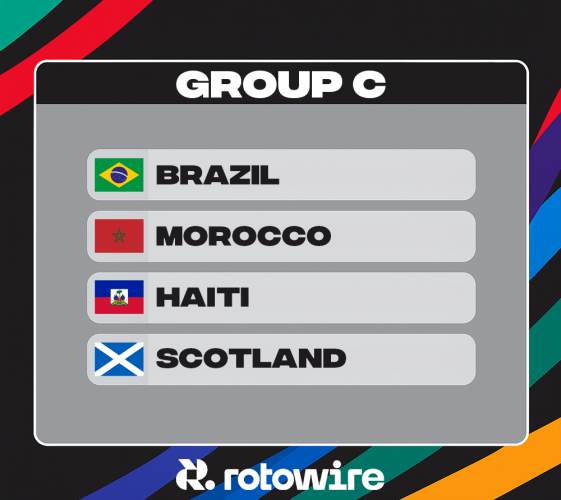
Group C: Brazil, Morocco, Scotland, Haiti
Brazil vs. Morocco Headlines One of the Most Dangerous Groups
Teams: Brazil, Morocco, Scotland, Haiti
Brazil still enter World Cups carrying gravitational pull rather than merely form. Their World Cup 2026 title projections remain elite, but modern tournaments no longer reward individual brilliance alone. They must confront a group opponent that has built its identity on dismantling that exact premise.
Morocco arrive as one of the most credible World Cup dark horses after recent tournament success. Their defensive geometry, midfield compactness and emotional discipline deny superstars oxygen. Scotland add set-piece danger and structural aggression, while Haiti introduce volatility that can disrupt group-stage projections through emotional surges.
This group will be decided by emotional rhythm. If Brazil impose speed, projections favor dominance. If Morocco slow matches into compressed control, Group C becomes one of the most unstable groups in the 2026 World Cup.
Projected Qualifiers: Brazil, Morocco
Dark Horse: Scotland
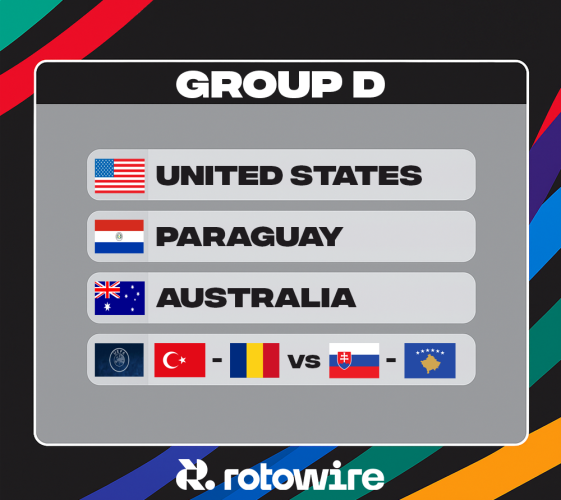
Group D: United States, Paraguay, Australia, UEFA Playoff C
United States Face Maturity Test in World Cup 2026
Teams: United States, Paraguay, Australia, UEFA Playoff C Winner
For the United States, this group is a referendum on World Cup maturity. Their World Cup 2026 group projections suggest territorial control, but success will be measured by defensive stability under pressure.
Paraguay thrive on frustration and remain a perennial dark horse spoiler. Australia bring aerial power and second-ball dominance. They don't seek to outplay opponents, they seek to outlast them.
The UEFA playoff C winner adds further uncertainty. Turkey's volatility, Romania's balance, Slovakia's low block or Kosovo's wing-driven approach all dramatically alter group-stage projections.
Projected Qualifiers: United States, Paraguay
Dark Horse: Australia
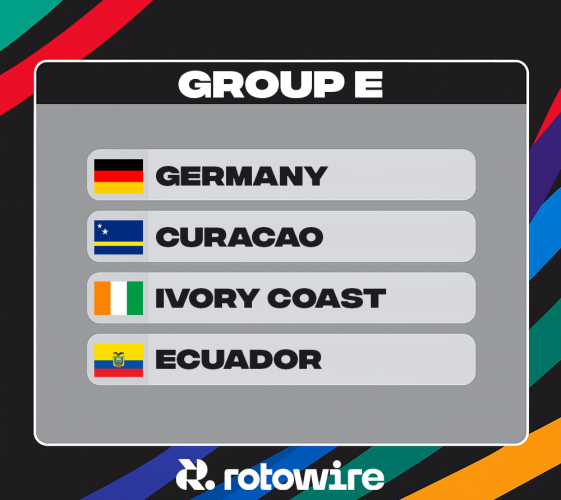
Group E: Germany, Ecuador, Ivory Coast, Curaçao
Germany's World Cup 2026 Identity on Trial
Teams: Germany, Ecuador, Ivory Coast, Curaçao
Germany no longer arrive at the World Cup as automatic authority. They arrive as a nation in ideological reconstruction. This group ruthlessly tests if their new identity can survive modern physical football.
Ecuador bring relentless sprint volume, midfield aggression and wide-channel acceleration. Ivory Coast impose direct physical confrontation with high duel frequency and early box occupation. Both attack the modern German vulnerability of defensive recovery under stress.
Curacao, often dismissed in World Cup predictions, threaten through technical profiles and fearless passing sequences. This group will not reward nostalgia. It will expose structural truth.
Projected Qualifiers: Germany, Ecuador
Dark Horse: Ivory Coast
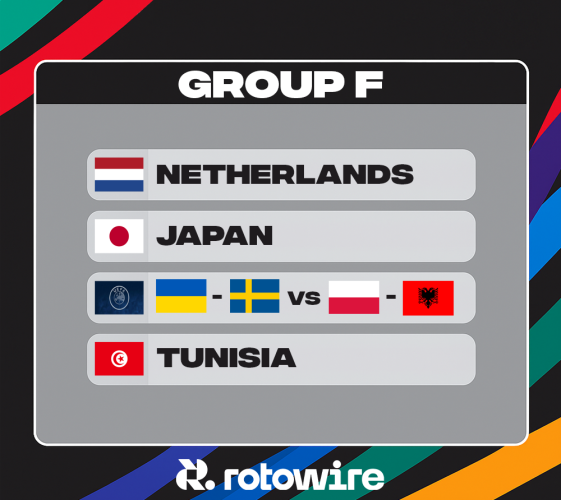
Group F: Netherlands, Japan, Tunisia, UEFA Playoff B
Tactical Adaptability Will Decide This Group
Teams: Netherlands, Japan, Tunisia, UEFA Playoff B Winner
The Netherlands arrive with talent and tactical flexibility but unresolved identity conflicts between dominant possession and transitional pragmatism. Their World Cup 2026 projections fluctuate sharply based on adaptability.
Japan operate with the cleanest pressing synchrony in the group stage and are widely discussed as dark horse contenders. Their pressing traps are clock-precise. Tunisia compress space into narrow corridors, forcing repetitive circulation and emotional erosion.
The UEFA playoff B winner, whether Ukraine, Poland, Sweden or Albania, adds another stylistically distinct challenge. This World Cup group will reward teams who can adapt from one fixture to the next, and punish any big name that assumes reputation alone will open doors.
Projected Qualifiers: Netherlands, Japan
Dark Horse: UEFA Playoff B Winner
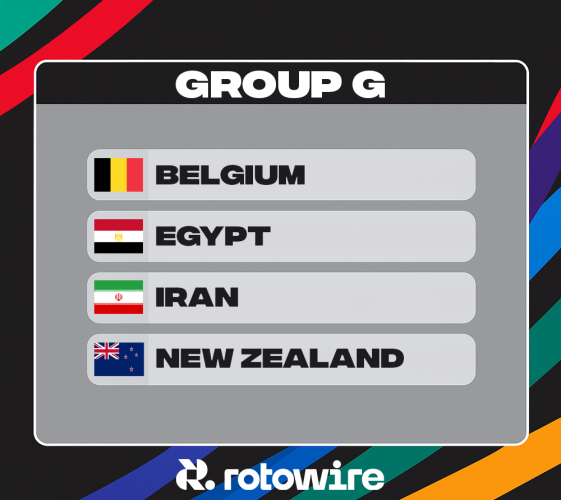
Group G: Belgium, Egypt, Iran, New Zealand
Belgium Enter a Physically Suffocating Group
Teams: Belgium, Egypt, Iran, New Zealand
Belgium arrive with post-golden-generation realism with uncertain World Cup projections. No prophecy remains, only expectation to prove relevance again. Their challenge is emotional redefinition.
Egypt function through direct hierarchy, emotional gravity and transitional threat. Iran bring collective resistance and elite defensive block density. These World Cup matches will not be fast, they will be suffocating.
New Zealand impose aerial chaos and physical disregard for possession etiquette. This group will be heavy, slow, tense and brutally unforgiving in the race to the knockout stage.
Projected Qualifiers: Belgium, Egypt
Dark Horse: Iran
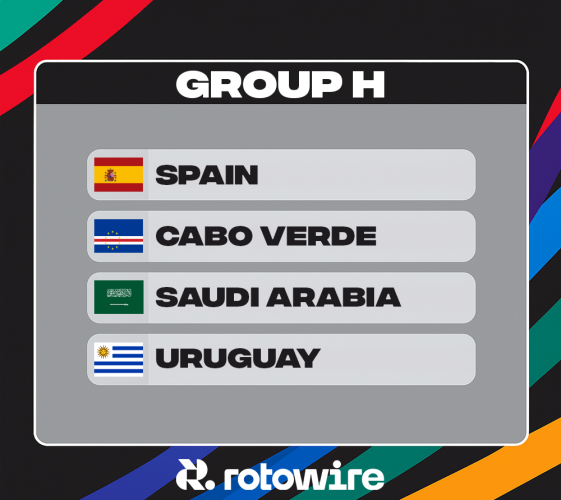
Group H: Spain, Uruguay, Saudi Arabia, Cabo Verde
Spain's Possession Faces Immediate Resistance
Teams: Spain, Uruguay, Saudi Arabia, Cabo Verde
Spain seek dominance through geometry and rhythm in this World Cup group. Their danger is sterile control when opponents refuse to chase.
Uruguay hunt imbalance. They allow long possession spells only to detonate vertically when defensive spacing drifts. Saudi Arabia arrive psychologically fearless, while Cabo Verde bring survival intensity and sudden emotional acceleration.
Spain will dominate possession in this group stage. The group will be decided by what happens during the two seconds after they lose it.
Projected Qualifiers: Spain, Uruguay
Dark Horse: Saudi Arabia
Group I: France, Senegal, Norway, Inter-Confederation Playoff Winner
France Anchors the Tournament's Most Explosive Group
Teams: France, Senegal, Norway, Shutdown Playoff Winner
France remain football's most complete World Cup tournament team: depth, pace, recovery defense, instant counter-lethality and remain among the top World Cup 2026 title contenders. They don't suffocate games, they ambush them.
Senegal match them physically and emotionally. Their block mobility and vertical surges create repeated collision zones. Norway reduce football to brutal economy: survive, release, finish.
The shutdown playoff winner adds further instability. Iraq, Bolivia or Suriname each introduce tactical stress in the knockout qualification race.
Projected Qualifiers: France, Senegal
Dark Horse: Norway

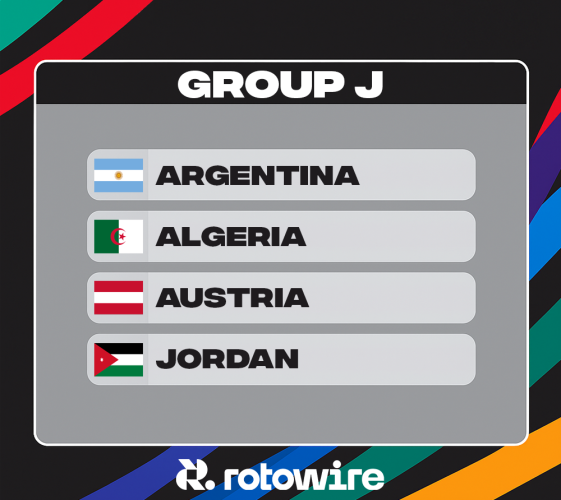
Group J: Argentina, Austria, Algeria, Jordan
Argentina's Champion Burden Begins Early
Teams: Argentina, Austria, Algeria, Jordan
Argentina now play under the burden of inheritance as reigning World Cup champions. Hunger transforms into responsibility and the danger becomes emotional comfort.
Austria press vertically and violently. Algeria fracture lines through individual initiative rather than extended control. Jordan compress matches into survival puzzles.
Argentina will not lose this World Cup group tactically. If they stumble, it will be through emotional drift.
Projected Qualifiers: Argentina, Austria
Dark Horse: Algeria
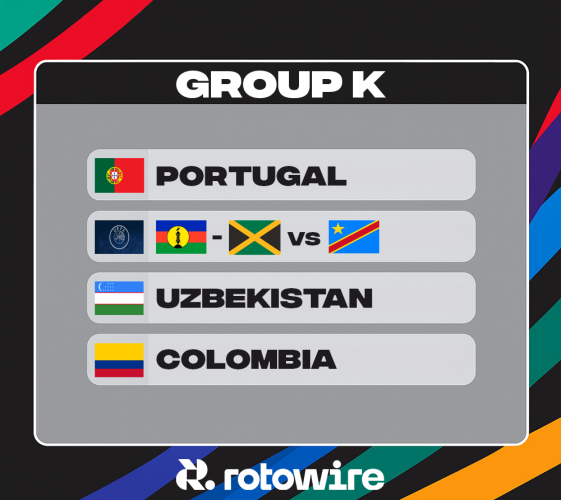
Group K: Portugal, Colombia, Uzbekistan, Inter-Confederation Playoff Winner
Portugal's Control Test at World Cup 2026
Teams: Portugal, Colombia, Uzbekistan, Intercontinental Playoff Winner
Portugal arrive post-dependency and must now govern matches structurally rather than symbolically in the World Cup 2026. Their attacking authority is dispersed.
Colombia merge vertical chaos with renewed tactical order. Uzbekistan erase central buildup through layered pressing intelligence.
The playoff winner adds more colour. DR Congo's power, Jamaica's pace and set-piece threat or New Caledonia's underdog spirit each suggest very different match pictures. For Portugal, this group is less about surviving and more about proving they can control tournaments from start to finish.
Projected Qualifiers: Portugal, Colombia
Dark Horse: Uzbekistan
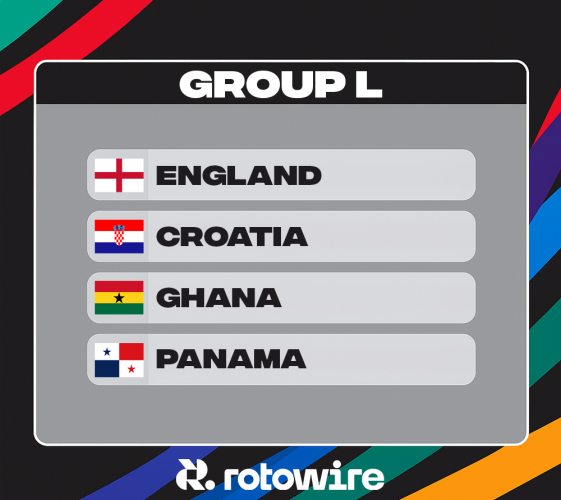
Group L: England, Croatia, Ghana, Panama
England's Emotional Management Under the Microscope
Teams: England, Croatia, Ghana, Panama
England arrive at the World Cup with exceptional talent and unresolved emotional inheritance. Their challenge is not football, it is narrative self-control.
Croatia remain the masters of lingering belief erosion. Ghana bring historical emotional voltage. Panama specialize in rhythm disruption.
England will not lack solutions in this World Cup group. They will be measured by how they behave when emotion turns against them.
Projected Qualifiers: England, Croatia
Dark Horse: Ghana
Final Verdict: This Is a World Cup of Immediate Danger
There are no slow entries into the 2026 World Cup. The group stage is no longer a sorting lane. It is already an elimination phase in disguise.
This FIFA World Cup will not be won by the most beautiful team. It will be won by the team that manages emotion under structural pressure better than anyone else.
The giants will not warm up. They will survive.
And survival starts this summer.
2026 World Cup FAQ
Why is the World Cup 2026 group stage considered more dangerous than previous editions?
The expanded 48-team format eliminates traditional "easy groups," creating immediate high-stakes pressure for favorites and compressing margins across the tournament.
Which national teams face the most pressure in the group stage?
Host nations such as the United States, Mexico and Canada carry elevated expectation in their World Cup 2026 projections, while reigning champions Argentina and traditional powers including Germany,
Which groups are considered the toughest in the 2026 World Cup draw?
Groups featuring France, Senegal and Norway (Group I), Brazil and Morocco (Group C), and Spain and Uruguay (Group H) project as the most demanding World Cup 2026 groups. Each combines elite contenders with credible dark horse teams, producing contrasting tactical identities and limited margin for error.
What tactical trend defines the 2026 World Cup group stage?
Transition football, high pressing, emotional control and recovery defense dominate World Cup 2026 tactical projections, overtaking pure possession-based models. Teams capable of surviving pressure moments and exploiting transitional windows hold the strongest group-stage advantage.
What will decide success more than talent at the 2026 World Cup?
Emotional management under pressure, squad depth and in-game tactical adaptability will outweigh individual star power in the World Cup 2026. These elements often determine whether favorites advance or whether World Cup dark horses emerge from the group stage.