




One of the best predictors of future fantasy football performance remains previous performance. And that goes double for playoff performance. This is something managers should keep in mind when watching NFL Wild Card games and thinking ahead to next season.
Playoff pressure reveals real roles and long-term trust with the coaching staff. If you watch the games and follow the NFL news closely during January to get a sense of how that trust is playing out, it will help you be a better fantasy drafter in August.
Why Wild Card Weekend Matters for Fantasy Football
John Madden used to say that the finality of playoff games is what made them so special. Because there are fewer games and the stakes are so high, fantasy managers can get a better sense of what is happening on each of these teams in a way that is tougher to do in a 13-to-16 game regular-season slate.
Another key factor is that coaches often shorten their benches during the playoffs. This shows who the coaches really trust in big-game moments. If that trust is rewarded with solid performance, a manager can place that same trust in the player when looking at their custom fantasy football rankings during draft season and find value where other, less attentive managers might not.
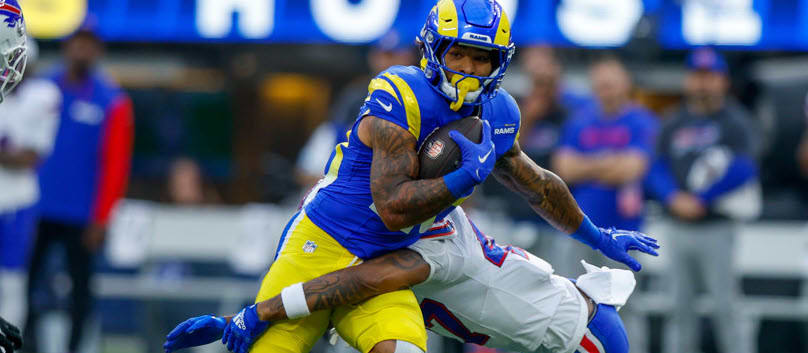
A clear example came from the Rams, who leaned almost entirely on Kyren Williams. His near-every-down role in a must-win game reinforced that he is not part of a committee, but rather a true workhorse RB.
Usage Trends That Fantasy Managers Should Pay Attention To
Fantasy managers who want to take a statistical approach to following the postseason should keep an eye on snap counts and route participation. The snap counts are especially useful in grading running backs. For example, platoon RBs who get 40%-50% of the work almost never deliver RB1-caliber value; so, you should devalue them in fantasy football rankings.
Red-zone usage is a good catch-all metric to use to grade RBs, WRs and TEs. It's incredibly difficult to justify starter status in fantasy lineups without solid participation in this area of the field.


Coaching Trust Signals Revealed in Playoff Games
When it comes to a playoff game, NFL coaches are only going to put players on the field who they trust in must-win moments. This may often lean in the direction of a veteran, but if you see a younger player getting that trust, you should afford that prospect similar trust for your fantasy lineup when making choices with RotoWire's NFL start-sit tool in the next season.
In Green Bay, Romeo Doubs quietly emerged as Jordan Love's most trusted wide receiver in high-leverage situations. While Jayden Reed flashed explosive upside, Doubs handled a larger share of snaps and red-zone opportunities, signaling quarterback trust that can translate into steady fantasy production.
Similarly, Rachaad White played nearly every snap for Tampa Bay. Even when efficiency waned, his role in pass protection and the receiving game highlighted why workload and trust matter more than box-score efficiency when projecting future fantasy value.
That trust is important in redraft leagues, but it is paramount in dynasty leagues where it can turn into long-term value.
Separating Real Fantasy Signals from Playoff Noise
Don't be the fantasy manager who overreacts to a small playoff sample size. You should always treat an unexpected big playoff point total the same way you would a regular season scoring spike – as a potential one-off that requires more proof.
A good barometer here is the classic phrase from Boomer and T.J. on NFL Primetime: Once is an accident, twice is a trend and three times is a fact.
Dynasty vs Redraft: Applying Wild Card Lessons Differently
Fantasy managers in the dynasty world should view wild-card round lessons with an eye on long-term role stability and age curves. For instance, Dalton Kincaid didn't post eye-popping numbers for Buffalo, but his near-every-snap participation reinforced his long-term role as a centerpiece in the offense. That type of usage matters far more than a single playoff box score.
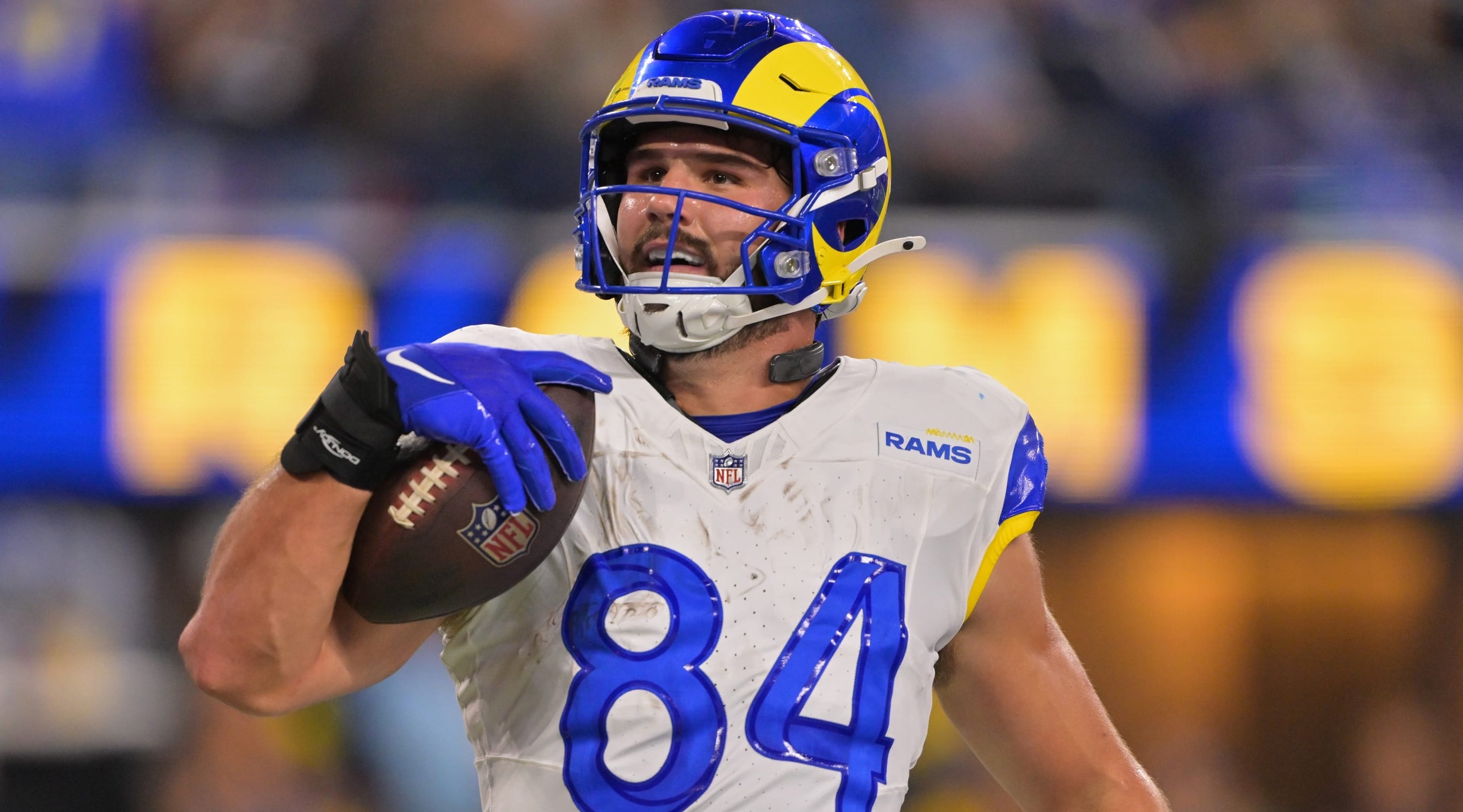
In redraft leagues, Wild Card Weekend should be viewed as confirmation rather than discovery. Puka Nacua is a prime example — his playoff usage mirrored his regular-season dominance, reinforcing his status as a true fantasy WR1 rather than a one-year breakout.
If a playoff performance doesn't align with regular-season usage, it's more likely to be a one-hit wonder than a sustainable fantasy trend. That type of player won't be a go-to when you are using the NFL lineup optimizer the next season.
How to Use Wild Card Weekend Takeaways in the Fantasy Offseason
The best way to use Wild Card Weekend from a fantasy perspective is to look for buy-low and sell-high opportunities. That can stem from a close look at usage data that will have an impact on free agency and the NFL Draft. You'll also want to watch the NFL injury report like a hawk for any substantial issues that could linger into the 2026-27 campaign.
Be cautious in reviewing these opportunities. You'll want to cast a careful eye over the playoff metrics in the similar manner that you look at regular season numbers. Don't buy into the hype of a big play or two. Look for the same type of high-percentage consistency you watch for during the regular season.
Lastly, adopt a mindset that allows you to think ahead of market reactions. You want to be like Warren Buffett here – buy when the market is selling, sell when the market is buying. The Wild Card Weekend playoffs can help you better spot those selling and buying trends if you view these games correctly.