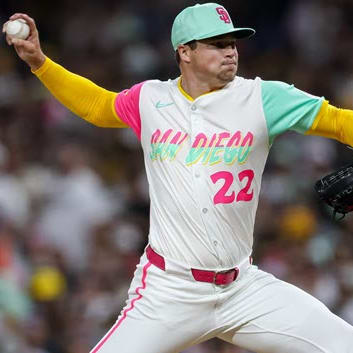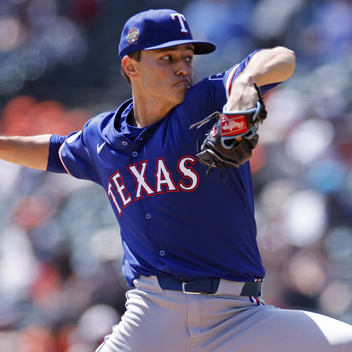



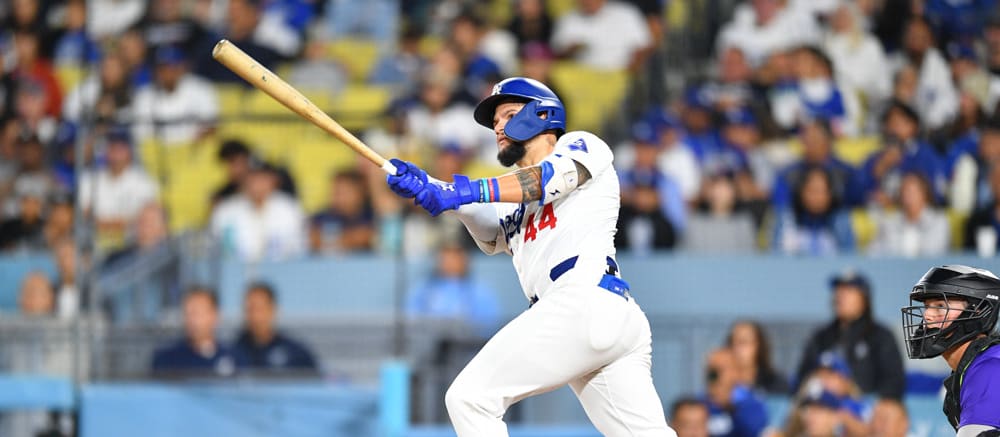

I'm taking a break from the usual leaderboards this week to dive into the predictiveness of postseason performance. The postseason performances of Andy Pages and Trey Yesavage seem to have an impact on their 2026 average draft position. Pages broke out during the regular season by posting a .272 batting average, but he hit just .078 in 55 postseason plate appearances. As for Yesavage, the 22-year-old threw just 14 major-league innings during the regular season (plus 98 more in the minors) and then threw 27 innings during the postseason with solid production (3.58 ERA, 1.05 WHIP).
I asked for any other standout postseason performances on Bluesky, and got three additions: Vladimir Guerrero Jr., Ernie Clement and Addison Barger. In Guerrero's case, he hit for more power, with his ISO jumping from .175 to .397. Barger and Clement stood out because both posted a BABIP over .420. It's time to dive and see which stats are repeatable.
Hitters
For the three hitter groups, I examined guys since 2000 who had:
- 200 regular-season plate appearances or more before going to the postseason
- At least 40 plate appearances in the postseason
- At least one plate appearance the next season
Batting Average Decline (Andy Pages)
For the Pages clones, I looked for guys with a sub-.150 average in the postseason in at least 40 plate appearances. I wanted to go with a sub-.100 average, but only three guys met the requirements, so I upped the batting average to .150 and ended
I'm taking a break from the usual leaderboards this week to dive into the predictiveness of postseason performance. The postseason performances of Andy Pages and Trey Yesavage seem to have an impact on their 2026 average draft position. Pages broke out during the regular season by posting a .272 batting average, but he hit just .078 in 55 postseason plate appearances. As for Yesavage, the 22-year-old threw just 14 major-league innings during the regular season (plus 98 more in the minors) and then threw 27 innings during the postseason with solid production (3.58 ERA, 1.05 WHIP).
I asked for any other standout postseason performances on Bluesky, and got three additions: Vladimir Guerrero Jr., Ernie Clement and Addison Barger. In Guerrero's case, he hit for more power, with his ISO jumping from .175 to .397. Barger and Clement stood out because both posted a BABIP over .420. It's time to dive and see which stats are repeatable.
Hitters
For the three hitter groups, I examined guys since 2000 who had:
- 200 regular-season plate appearances or more before going to the postseason
- At least 40 plate appearances in the postseason
- At least one plate appearance the next season
Batting Average Decline (Andy Pages)
For the Pages clones, I looked for guys with a sub-.150 average in the postseason in at least 40 plate appearances. I wanted to go with a sub-.100 average, but only three guys met the requirements, so I upped the batting average to .150 and ended up with these 24 samples.
| Name | Season | Regular Season PA | Regular Season AVG | Postseason PA | Postseason AVG | Next Season PA | Next Season AVG |
|---|---|---|---|---|---|---|---|
| Mike Bordick | 2000 | 644 | .285 | 43 | .121 | 257 | .249 |
| Chone Figgins | 2005 | 720 | .290 | 42 | .132 | 683 | .267 |
| Chone Figgins | 2009 | 729 | .298 | 43 | .086 | 702 | .259 |
| Nick Swisher | 2009 | 607 | .249 | 56 | .128 | 635 | .288 |
| Juan Uribe | 2010 | 575 | .248 | 51 | .149 | 295 | .204 |
| Pat Burrell | 2010 | 437 | .252 | 49 | .143 | 219 | .230 |
| Rickie Weeks Jr. | 2011 | 515 | .269 | 45 | .146 | 677 | .230 |
| Alex Avila | 2011 | 551 | .295 | 44 | .073 | 434 | .243 |
| Robinson Canó | 2012 | 697 | .313 | 41 | .075 | 681 | .314 |
| Pete Kozma | 2013 | 448 | .217 | 41 | .143 | 26 | .304 |
| Stephen Drew | 2013 | 501 | .253 | 57 | .111 | 300 | .162 |
| Ryan Goins | 2015 | 428 | .250 | 40 | .139 | 196 | .186 |
| Jason Heyward | 2016 | 592 | .230 | 50 | .104 | 481 | .259 |
| Anthony Rizzo | 2017 | 691 | .273 | 40 | .135 | 665 | .283 |
| Enrique Hernandez | 2018 | 462 | .256 | 46 | .122 | 460 | .237 |
| Cody Bellinger | 2018 | 632 | .260 | 57 | .115 | 660 | .305 |
| Robinson Chirinos | 2019 | 437 | .238 | 45 | .146 | 82 | .162 |
| Willy Adames | 2020 | 205 | .259 | 73 | .136 | 555 | .262 |
| Brandon Lowe | 2020 | 224 | .269 | 82 | .118 | 615 | .247 |
| Yuli Gurriel | 2020 | 230 | .232 | 53 | .114 | 605 | .319 |
| Martin Maldonado | 2021 | 426 | .172 | 52 | .130 | 379 | .186 |
| Bryson Stott | 2022 | 466 | .234 | 51 | .136 | 640 | .280 |
| Will Smith | 2024 | 544 | .248 | 65 | .143 | 436 | .296 |
| Austin Wells | 2024 | 414 | .229 | 55 | .120 | 448 | .219 |
| Average | 507 | .255 | 51 | .124 | 464 | .250 | |
| Median | 508 | .253 | 50 | .129 | 471 | .254 |
The median and average values show that the next season's results could be better or worse. It's like the postseason results don't matter in this case.
Currently, Pages is being drafted as the 145th player after being the 65th-ranked player last season. Ignore the postseason benching and add him at a discounted price.
Note: I'll get to the plate appearances after finishing the other two hitter groups.
High BABIP (Ernie Clement and Addison Barger)
Clement and Barger stood out in the postseason, with the leading cause being inflated BABIPs. Clement finished with a .420 BABIP, and Barger ended with a .422 BABIP. Using the same basic parameters as above, I found the results for the 19 hitters with a BABIP at or above .420.
| Name | Season | Regular Season PA | Regular Season OPS | Regular Season BABIP | Postseason PA | Postseason OPS | Postseason BABIP | Next Season PA | Next Season OPS | Next Season BABIP |
|---|---|---|---|---|---|---|---|---|---|---|
| Ichiro Suzuki | 2001 | 738 | .838 | .369 | 43 | .962 | .471 | 728 | .813 | .344 |
| Hideki Matsui | 2004 | 680 | .912 | .314 | 57 | 1.221 | .439 | 704 | .863 | .315 |
| David Ortiz | 2004 | 669 | .983 | .322 | 68 | 1.278 | .425 | 713 | 1.001 | .303 |
| Carlos Guillen | 2006 | 622 | .920 | .351 | 53 | 1.008 | .432 | 630 | .859 | .319 |
| Brad Hawpe | 2007 | 606 | .926 | .341 | 47 | .815 | .455 | 569 | .879 | .341 |
| Jason Bay | 2008 | 670 | .895 | .321 | 51 | 1.105 | .423 | 638 | .921 | .315 |
| Vladimir Guerrero | 2009 | 407 | .794 | .313 | 40 | .966 | .433 | 643 | .841 | .292 |
| Ryan Braun | 2011 | 629 | .994 | .350 | 47 | 1.182 | .484 | 677 | .987 | .346 |
| David Freese | 2011 | 363 | .791 | .356 | 71 | 1.258 | .455 | 567 | .839 | .352 |
| Victor Martinez | 2013 | 668 | .785 | .313 | 44 | 1.003 | .421 | 641 | .974 | .316 |
| Yasiel Puig | 2013 | 432 | .925 | .383 | 41 | .776 | .520 | 640 | .863 | .356 |
| Jacoby Ellsbury | 2013 | 636 | .781 | .341 | 71 | .846 | .440 | 635 | .747 | .296 |
| Eric Hosmer | 2014 | 547 | .716 | .312 | 66 | .983 | .462 | 667 | .822 | .336 |
| Pablo Sandoval | 2014 | 638 | .739 | .300 | 78 | .888 | .433 | 505 | .658 | .270 |
| Austin Riley | 2021 | 662 | .898 | .368 | 68 | .755 | .421 | 693 | .878 | .315 |
| Eddie Rosario | 2021 | 412 | .740 | .273 | 68 | 1.073 | .426 | 270 | .587 | .267 |
| Yordan Alvarez | 2023 | 496 | .990 | .306 | 49 | 1.487 | .583 | 635 | .959 | .317 |
| Brandon Marsh | 2023 | 472 | .829 | .397 | 42 | .931 | .545 | 476 | .747 | .348 |
| Steven Kwan | 2024 | 540 | .793 | .304 | 48 | .863 | .421 | 693 | .705 | .283 |
| Average | 573 | .855 | .333 | 55 | 1.021 | .457 | 617 | .839 | .317 | |
| Median | 622 | .838 | .322 | 51 | .983 | .439 | 640 | .859 | .316 |
These guys with a high BABIP have the same mixed overall results, with their OPS dropping when looking at the average value and increasing when looking at the median values. As for the next season's BABIP, it's not only way down from the postseason, it's down from the regular season.
Just like with the regular season, be wary of hitters whose results are BABIP-driven.
Power Jump (Vladimir Guerrero Jr.)
In this instance, Vlad saw his power jump from a .175 ISO to a .397 ISO. while hitting eight homers. For this test, I found the hitters who experienced a 200-point increase in their Isolated Power.
| Name | Season | Regular Seaosn PA | Regular Season ISO | Postseason PA | Postseason ISO | Next Season PA | Next Season ISO |
|---|---|---|---|---|---|---|---|
| Troy Glaus | 2002 | 671 | .204 | 69 | .426 | 367 | .216 |
| Todd Walker | 2003 | 647 | .145 | 46 | .419 | 424 | .194 |
| Carlos Beltrán | 2004 | 708 | .280 | 56 | .587 | 650 | .148 |
| Scott Podsednik | 2005 | 568 | .059 | 59 | .265 | 592 | .092 |
| Kevin Youkilis | 2007 | 625 | .165 | 59 | .367 | 621 | .257 |
| B.J. Upton | 2008 | 640 | .128 | 72 | .364 | 626 | .132 |
| Jayson Werth | 2009 | 676 | .238 | 62 | .451 | 652 | .236 |
| Cody Ross | 2010 | 569 | .145 | 59 | .392 | 461 | .165 |
| Miguel Cabrera | 2011 | 688 | .241 | 47 | .457 | 697 | .277 |
| David Freese | 2011 | 363 | .144 | 71 | .397 | 567 | .174 |
| Daniel Murphy | 2015 | 538 | .168 | 64 | .397 | 582 | .249 |
| Jose Altuve | 2020 | 210 | .125 | 60 | .354 | 678 | .211 |
| Carlos Correa | 2020 | 221 | .119 | 55 | .404 | 640 | .205 |
| Enrique Hernández | 2021 | 585 | .199 | 52 | .429 | 402 | .116 |
| Chris Taylor | 2021 | 582 | .183 | 43 | .432 | 454 | .152 |
| Yordan Alvarez | 2023 | 496 | .290 | 49 | .512 | 635 | .259 |
| Average | 549 | .177 | 58 | .416 | 566 | .193 | |
| Median | 584 | .167 | 59 | .411 | 607 | .199 |
I didn't see that coming, with these hitters experiencing a jump in their power next season. I know many projections take postseason numbers into account, and adjusting power projections could be a big reason why.
Hitters (plate appearances)
In the first group, when batters underperformed, they saw about 30 fewer plate appearances the next year. In the two cases where a hitter outperformed their season totals, they saw a jump in about 20 plate appearances. Major-league managers set their lineups based on the hitters' most recent production, which in this case will be the postseason.
While postseason performance doesn't usually carry over from season-to-season, the effects can be seen in playing time.
Small MLB Sample (Trey Yesavage)
After starting the season in Low-A, Yesavage climbed his way up the ladder to throw 14 innings in the majors before the regular season ended. He then pitched in the playoffs, accumulating three wins with a 3.58 ERA (2.95 xFIP), a 12.7 K/9 and 1.05 WHIP.
I tried and tried to find comps, without any luck. And then I got one when I set the parameters to a sub-3.00 xFIP in the postseason, 50 regular-season innings, and 20 innings in the postseason. The pitcher was Shohei Ohtani this past season. That's no help. When I bumped up the postseason production, three names popped up, all from the shortened 2020 season (Blake Snell, Charlie Morton and Walker Buehler).
I could eventually get 20 to 30 comps by spreading the requirements, but they weren't similar to what we just saw from Yesavage. What Yesavage did was one-of-one, and in the future, there will at least be a sample to write narratives about.